Stablecoin boom turns mainstream as illicit use plunges — and retail is driving the shift

ambcryptoОпубліковано о 2025-12-11Востаннє оновлено о 2025-12-11

Анотація

Stablecoin adoption reached a significant inflection point in 2025, with transfer volumes surging to over $4 trillion, marking one of the strongest growth periods on record. Despite this expansion, illicit activity involving stablecoins fell by approximately 60% year-over-year, according to TRM Labs. This decline is attributed to enhanced global enforcement and the rise of regulated, fully backed issuers. A key shift is the growing dominance of retail users—rather than institutions—driving adoption. Factors include the return of U.S. retail investors, increased usage in emerging markets for savings and payments, and the use of stablecoins as a hedge against inflation. Stablecoins are increasingly integrated into everyday finance, such as remittances, cross-border transactions, and small payments, moving from speculative tools to core financial infrastructure. This trend signals a healthier, more mature market with expanding legitimate use cases and reduced illicit activity, positioning stablecoins as a major global payment rail in the coming decade.

Global stablecoin adoption hit an inflection point in 2025. According to TRM Labs’ latest Crypto Adoption and Stablecoin Usage Report, the asset class is now growing at its fastest pace since 2021 — yet illicit activity tied to stablecoins has collapsed to multi-year lows.

The findings reveal a market that is expanding rapidly, formalizing quickly, and increasingly powered by retail users rather than institutions.

Illicit stablecoin activity collapses even as volumes surge

Stablecoin transfer volume rose to more than $4 trillion in 2025, marking one of the strongest growth periods on record.

Despite that surge, illicit use of stablecoins fell by roughly 60% year-over-year, according to TRM.

This trend contrasts sharply with prior cycles, when rising stablecoin usage often moved in lockstep with increases in fraud, sanctions evasion, and money-laundering flows.

TRM attributes the decline to two structural changes: enhanced global enforcement and the rise of regulated, fully backed issuers.

As more jurisdictions bring stablecoin frameworks online — including the EU through MiCA and regions like Hong Kong, Singapore, the UAE, and the UK — illicit actors have fewer places to operate without scrutiny.

Retail — not institutions — is powering the 2025 crypto rebound

One of the report’s most striking findings is that retail traders drove most of the growth in crypto activity this year, reversing the institutional-first cycle of 2022–2024.

TRM highlights strong user acquisition and rising trading volumes across consumer platforms, supported by:

  • U.S. retail returning to the market after two years on the sidelines
  • A sharp rise in emerging-market usage, particularly for savings and payments
  • Stablecoins replacing local currencies in inflation-hit economies

This shift places stablecoins at the center of a more grassroots revival, where individuals use digital dollars for daily commerce, cross-border transactions, and value storage — not just speculative trading.

The “everyday finance” phase arrives

Stablecoins now underpin much of global crypto activity, and their use cases are widening. Retail users increasingly prefer stablecoins for remittances, small payments, and as a hedge against unstable domestic currencies.

Meanwhile, fintech platforms and payment intermediaries are integrating stablecoins at record speed, expanding legitimate on-chain transaction flows.

Because stablecoins operate across open networks, adoption in one region accelerates activity elsewhere — creating a reinforcing global feedback loop.

TRM describes this moment as a “transition phase,” where stablecoins move from speculative crypto infrastructure into core financial infrastructure for everyday users.

A cleaner market signals a more mature cycle

The combination of falling illicit flows and rising retail participation points to a market becoming structurally healthier.

Stablecoins are no longer seen as opaque, high-risk liquidity tools. Instead, they are becoming regulated, traceable, widely used instruments that appeal to both consumers and compliant institutions.

The report suggests that this dynamic will shape the direction of crypto heading into 2026.

If retail demand continues to expand and regulated issuers remain dominant, stablecoins could become one of the most important global payment rails of the next decade.


Final Thoughts

  • Stablecoin usage is accelerating on a global scale, while illicit activity is dropping sharply, signaling a more mature and regulated market.
  • Retail demand—rather than institutional capital—is now driving the adoption of stablecoins, reshaping the growth trajectory of the crypto industry heading into 2026.

Пов'язані матеріали

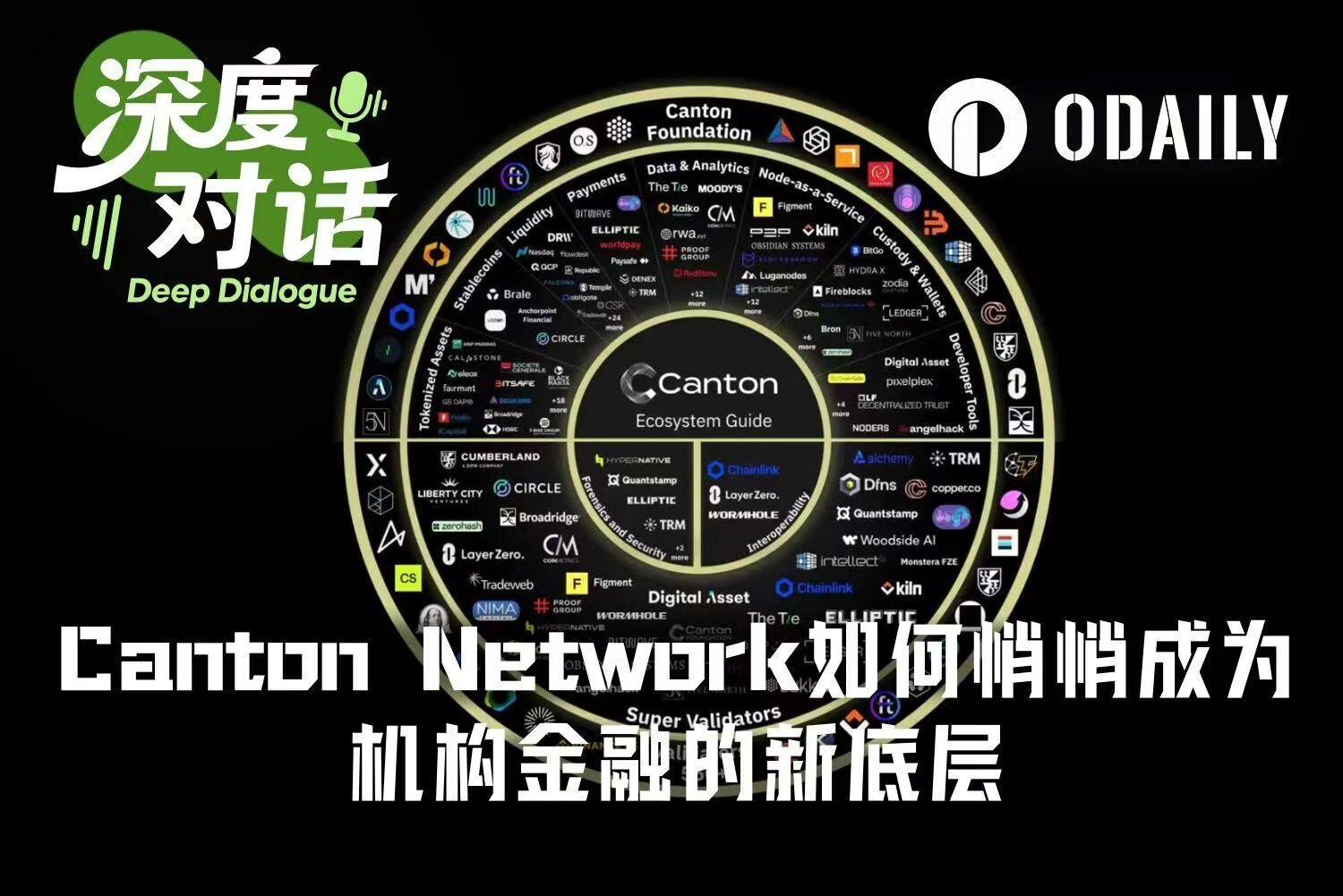
Putting Markets On-Chain: Canton Network Quietly Becoming the New Backbone for Institutional Finance

Canton Network: A New Institutional Financial Infrastructure Emerges Visa's rapid three-day approval as a super-validator on Canton Network in March 2026 marks a significant institutional endorsement. Unlike public blockchains like Ethereum, which prioritize transparency, Canton is designed for regulated financial institutions. Its core innovation is built-in data visibility control, where transaction details are only visible to direct participants. This enables institutions like Goldman Sachs, JPMorgan, and DTCC to conduct private, secure business on-chain without exposing sensitive strategies or positions. Canton, developed by Wall Street-focused Digital Asset, emphasizes slow, methodical development to meet stringent institutional requirements. Current on-chain activity, exceeding $9 trillion monthly, involves real balance-sheet operations like tokenized repos, treasury settlements, and collateral movement—not retail speculation. Key applications include JPMorgan's deposit token (JPM Coin), DTCC's U.S. Treasury tokenization, and Visa-enabled atomic settlement, aiming to synchronize asset delivery and payment instantly. The network's CC token is a utility asset, with value tied to real financial activity volume. It features no pre-mine or VC allocations, aligning with institutional preferences for transparency. Canton's 3–5 year vision is to become an "invisible" foundational layer for global finance—facilitating real-time cross-border capital flows, institutional stablecoin settlement, and native on-chain operations for major asset classes. While regulatory harmonization and legacy system integration remain challenges, Canton represents a pragmatic shift towards embedding markets themselves into blockchain infrastructure.

Odaily星球日报49 хв тому

Putting Markets On-Chain: Canton Network Quietly Becoming the New Backbone for Institutional Finance

Odaily星球日报49 хв тому

USDC Begins Nested Issuance, Coinbase Launches Custom Stablecoin Branding Service

Coinbase has launched its "Custom Stablecoins" platform, enabling businesses to offer branded stablecoins. The first client is Flipcash, a social payments app, which has introduced USDF. USDF is a Solana-based stablecoin, pegged 1:1 to USDC, and is designed to serve as a stable pricing and settlement unit for Flipcash's user-created community currencies. This move shifts the focus of stablecoins from being standalone assets or investment products to becoming embedded payment and settlement components within broader applications. For businesses like Flipcash, the core need is not to become a stablecoin issuer, but to integrate stable, reliable digital cash functionality—handling pricing, payments, and settlements—without managing the complex underlying infrastructure of issuance, reserves, on-chain contracts, fiat on-ramps, and compliance. Coinbase's platform provides this infrastructure as a service, positioning the exchange as a stablecoin infrastructure provider. While USDC remains the foundational reserve asset, the branded token (e.g., USDF) offers applications a tailored, user-facing financial tool. This development highlights a potential path for stablecoins to become ubiquitous backend utilities in social, gaming, and e-commerce applications, though it also brings significant regulatory and operational complexities associated with handling real user funds.

链捕手3 год тому

USDC Begins Nested Issuance, Coinbase Launches Custom Stablecoin Branding Service

链捕手3 год тому

Торгівля

Спот
Ф'ючерси
活动图片